Feeds:
Posts
Comments

Il Mio Cuore!

Dear Lili,

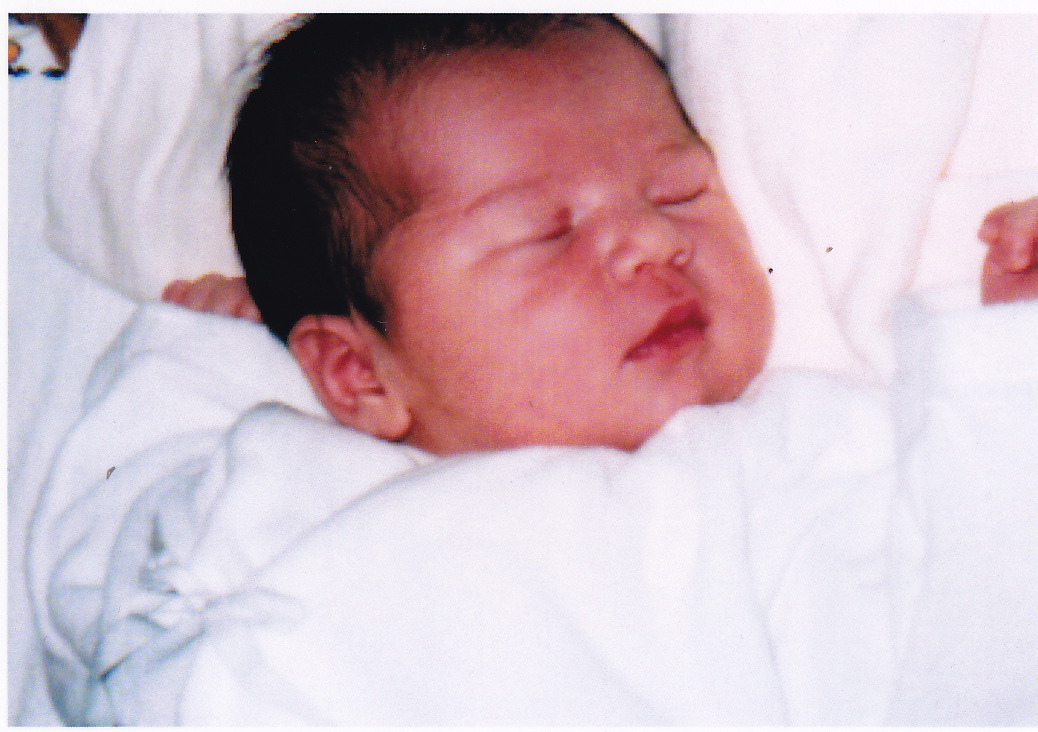
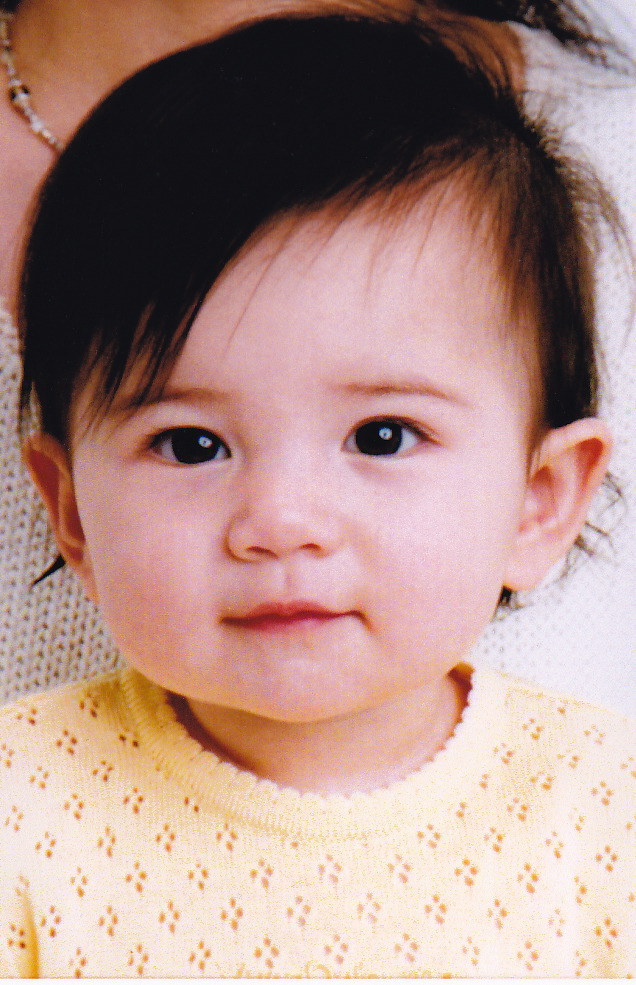
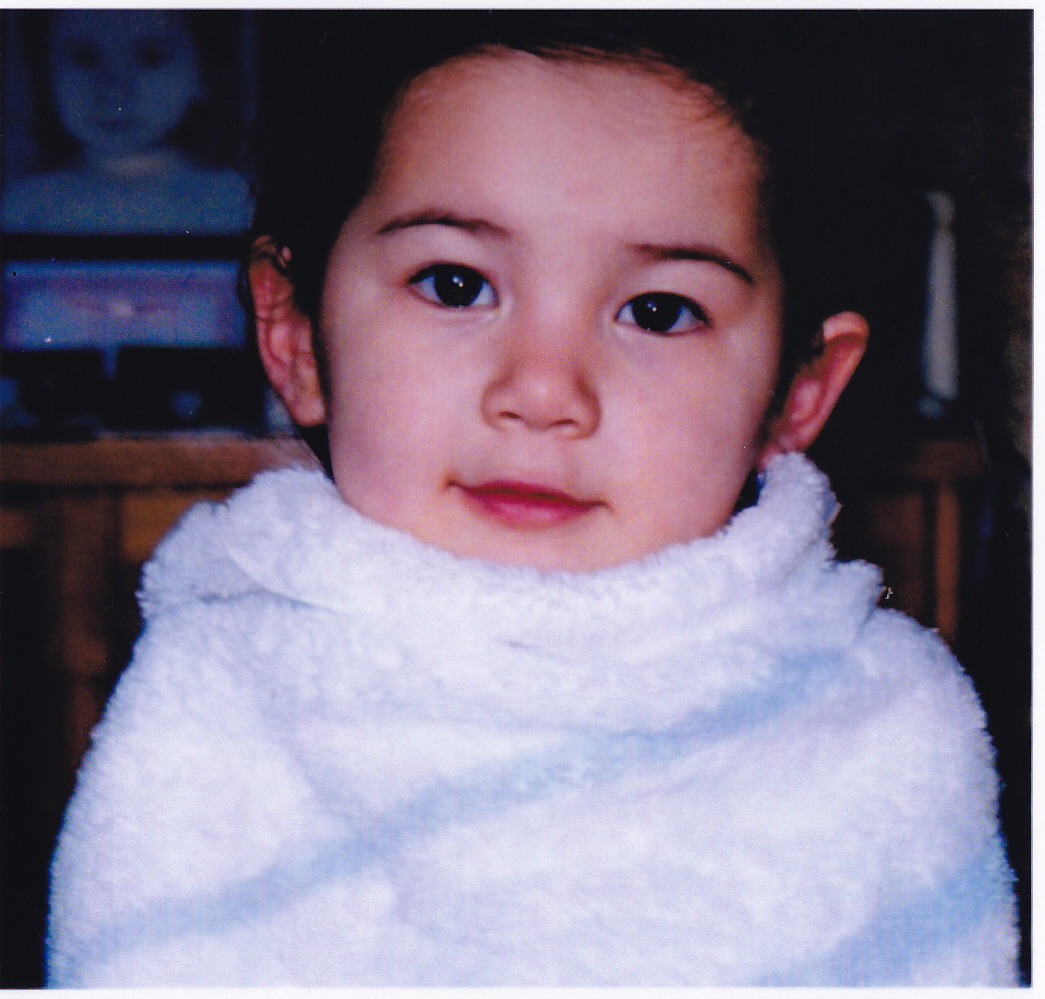
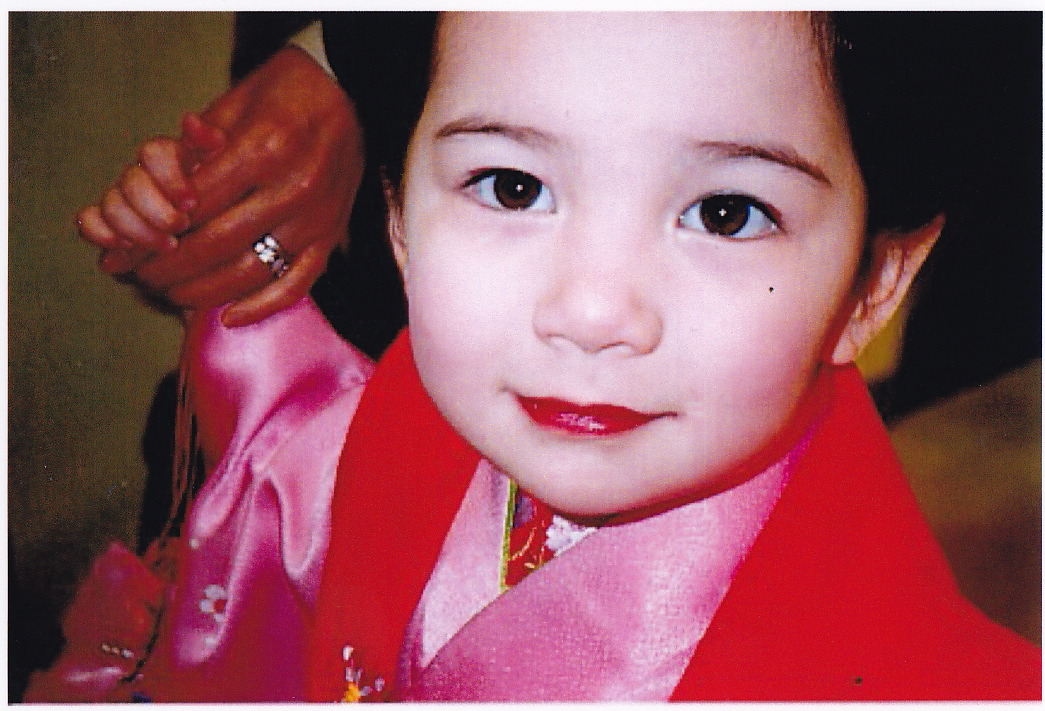
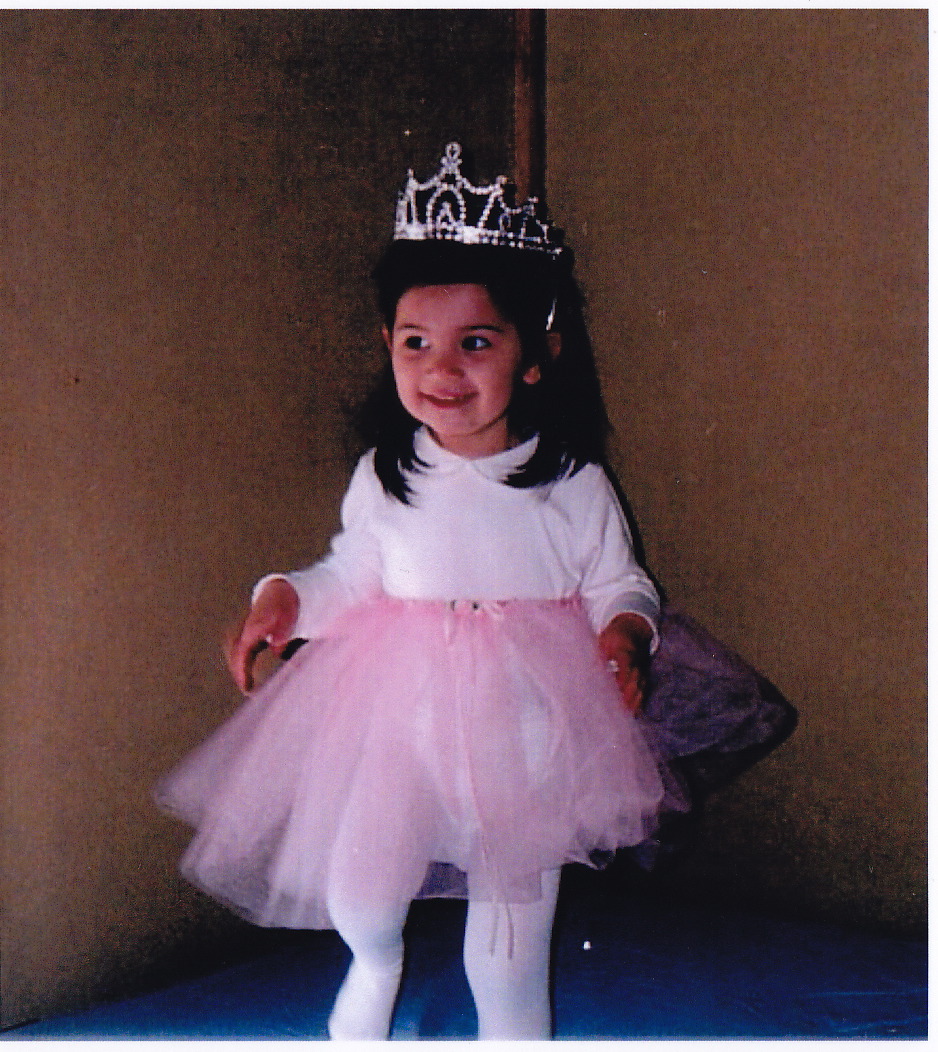
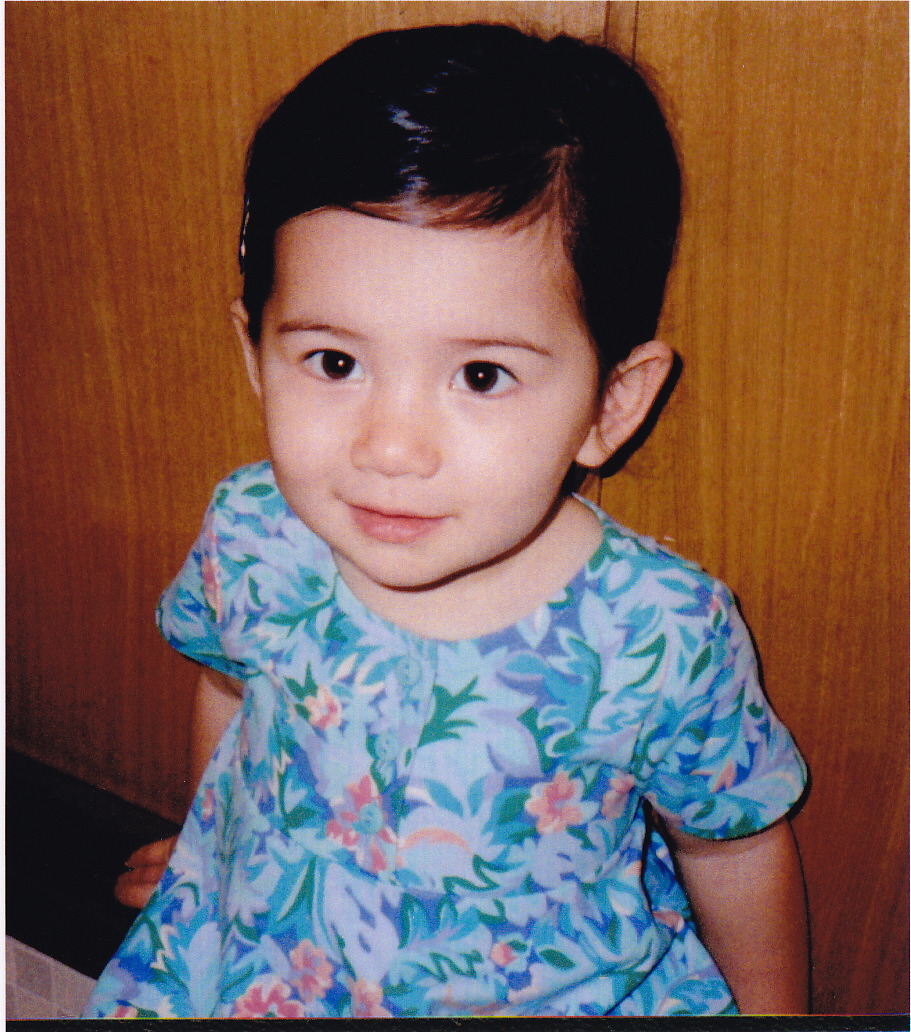
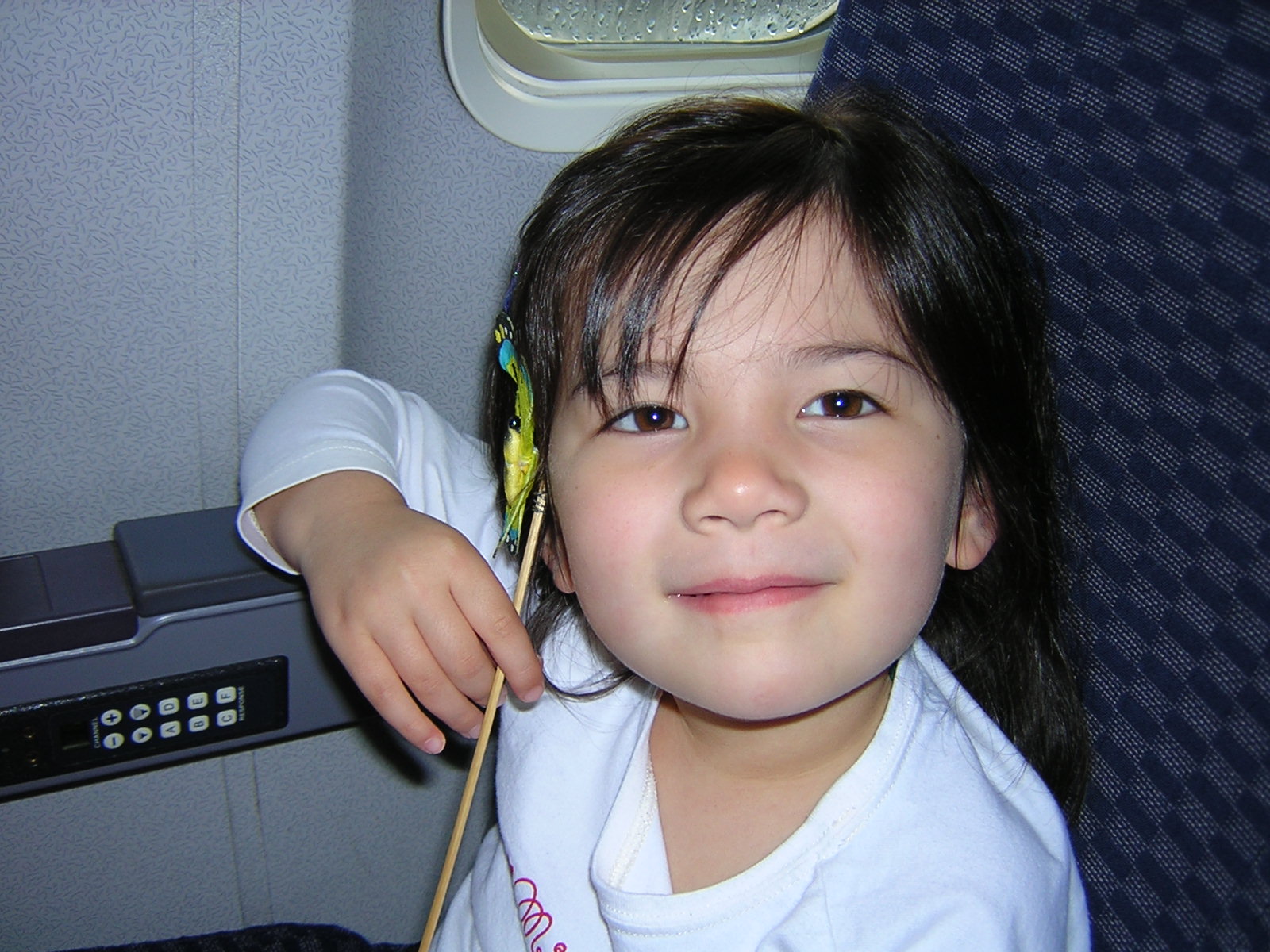
You were the most adorable little girl I ever saw in my life. And other people thought the same way, too. Whenever we would go out people would yell out “Kawaii!” (How cute!) and were fascinated by just how pretty you were.

Here are just some of the pictures of you that I love.

I hope I can take more pictures of you soon. I’m sure you are as beautiful a young woman now as you were a beautiful child then.

Love you always, bubby,

Dad xoxox 8)

“Newborn Lili – June 30, 1998”

“Very Happy Baby – 1998”

“Modeling Photo Shot – March 1999”

“Apre Bath Time – 2000”

“Shichigosan Ceremony”

“Princess Lili – March 2001”

“The Floral Dress”

“Lili – 2002”

“Plane Ride”

“Howe Caverns – August 2003”

“Circle Line around Manhattan – August 2003”

“At Toshimaen”

“Making Nonnie’s Birthday Present – March 2004”

“Sand Digging – March 2004”

“At Home with Daddy – 2004”

The Truth

“The truth is incontrovertible; malice may attack it, ignorance may deride it, but in the end, there it is.” — Sir Winston Churchill

*****
(Much to the consternation of those among us who lie, spin, and con.)

*****

Breaking News

U.S. President Obama makes a public statement on Japan and the Hague Convention and urges Japanese Prime Minister Noda to resolve existing abduction cases.

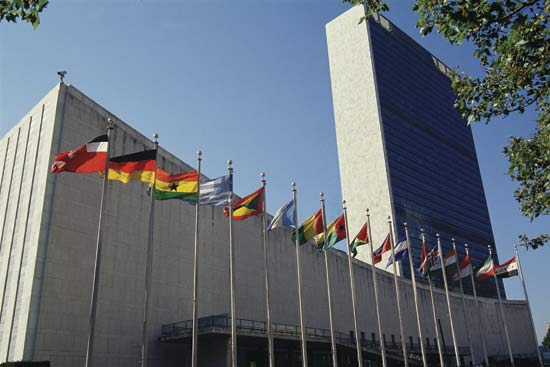
United Nations, New York City

September 21, 2011

In a briefing on U.S. Foreign Policy in the Asia Pacific Region on Wednesday, Assistant Secretary of State for East Asian and Pacific Affairs Kurt Campbell reported that during the first meeting between U.S. President Barack Obama and Japanese Prime Minister Yoshihiko Noda, President Obama remarked on Japan’s decision to sign the Hague Convention on the Civil Aspects of International Child Abduction and also spoke of the need for Japan to resolve the 123 existing cases in which American children have been abducted to Japan.

According to A/S Campbell:

“The President also very strongly affirmed the Japanese decision to enter into The Hague Convention – asked that this – on Child Abduction – asked that these steps be taken clearly and that the necessary implementing legislation would be addressed.

He also indicated that while that was an important milestone for Japan, that – he also asked the Japanese prime minister and the government to focus on the preexisting cases, the cases that have come before.”

Campbell stated that Prime Minister Noda acknowledged the existing cases and that Noda said that he would “take special care to focus on these particular issues as Japan also works to implement the joining of The Hague Convention.”

Read the full text of the briefing here:

http://fpc.state.gov/172931.htm


See also coverage in The Daily Yomiuri:

http://www.yomiuri.co.jp/dy/national/T110923005426.htm

******************************

Little Girl Lost

Little girl lost,

You’re a big girl now,

Where did you go to?

Your Daddy wants to know.


Little girl lost,

You’re no longer a child,

What do you remember?

Your Daddy loves you so.


Little girl lost,

You’re just a memory now,

What ever became of you?

Your Daddy can’t let go.


Little girl lost,

You’ve vanished now in time,

Who are you really now?

Your Daddy wants to know. 

♥♥♥♥♥

My Own Personal 9/11

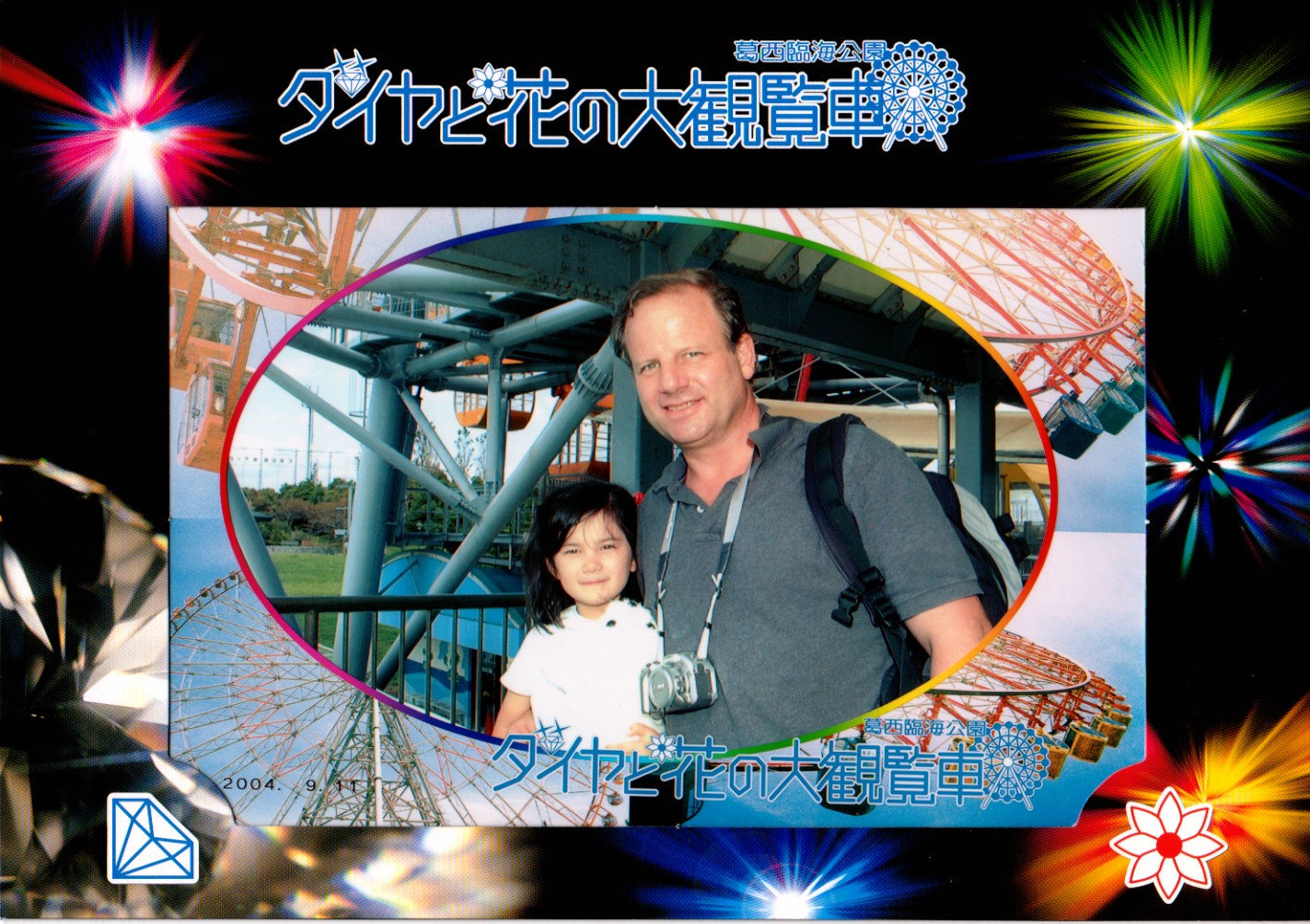
Today marks seven years since I last spent a weekend with my daughter Lili. Both of us were happy and excited to see each other again on that weekend in September of 2004 as we hadn’t seen each other for three months prior to that. She wanted to go to Kasai Rinkai Koen, an amusement park and seaquarium in Chiba, and that’s what we did, of course.

I had no idea at the time that this was to be the last weekend we would ever spend together. In fact, I believed that things were going to go well from that point on.

We had a lot of fun together, watching all the animals splashing around and playing in their enclosures.

Lili seemed to be enjoying the day at the park, and I felt a sense of relief that, despite our long periods of separation, the bond that we shared remained strong.

We spent some time in the playroom there where Lili had fun playing with the other kids.

I took a lot of photos, not knowing that these would be the last pictures Lili’s proud father would ever take of her.

We rode on the big ferris wheel together

which overlooked the whole park.

I took some of pics of Lili on the ferris wheel, and couldn’t have been happier than in those precious moments.

We went out to dinner at the end of the day and then went home and played with the train set that we always enjoyed.

I took Lili home the next day, dropping her off at the train station in Chiba. I remember watching her walk away with her mother and grandmother, having no idea that all subsequent requests I was to make to see my daughter would rejected by her mother with the phrase “Lili doesn’t want to see you.”

And so, 9/11 is a date that invariably fills me with immeasurable sadness, for my own very personal reasons.

*****************************

by Tony Del Vecchio (updated 2/7/11)

The government of the United States is deeply concerned about the issues of international parental child abduction and child custody/visitation with respect to its close friend and ally, Japan. Due to its sole-parent child custody system, its reluctance to join the Hague Convention on the Civil Aspects of International Child Abduction[1], and the fact that it has never returned a single child abducted from abroad to his or her rightful home, Japan has earned an international reputation as a safe haven for kidnappers. Over the past several years, U.S. lawmakers have begun making concerted efforts to end the tragic situations affecting a great many American families due to Japan’s antiquated family law system and its inexplicable disregard for international norms.

The U.S. State Department’s Office of Children’s Issues states there are 123 active cases involving 173 American children who have been abducted from the U.S.A. and who are now being held in Japan in violation of American law.[2] Many of the Japanese nationals guilty of these abductions have court orders against them and are subject to arrest by the F.B.I. and prosecution by federal courts for kidnapping should they again set foot on U.S. soil.[3] In the United States and most advanced nations child abduction is an extremely serious crime. Japan lags far behind other developed countries by failing to recognize this common sense, international consensus and by not legislating child abduction as a punishable criminal offense.

In addition, it is estimated that at least 3,200 American children residing in Japan are being denied access to one of their parents post-divorce.[4] This is due to the Japanese child custody system that awards shin ken (parental rights) to only one parent upon divorce and also severely limits child access to the other parent thereafter. In the case of international marriages, foreign parents are greatly disadvantaged in Japanese courts,[5] and Japanese nationals almost invariably receive sole parental rights. Once shin ken is granted to one parent, the other has no further legal rights with regard to his or her child’s upbringing, and the shin kenholder may deny that other parent access to the child at his or her whim. Since no specific provision for visitation exists under Japanese statute, and since Japanese courts in any event lack any real enforcement powers, the left-behind parent – i.e., the parent without parental rights – is at the mercy of his or her former Japanese spouse. Child visitation is frequently denied outright or severely curtailed, and in any event is always subject to the caprice of the shin ken holder.

These two issues – international parental child abduction and child custody/visitation – are beginning to strain the friendly relations the United States and Japan have enjoyed since the end of World War II. In response to the seriousness of this situation, the U.S. House of Representatives has recently begun taking steps to address what the United States considers to be gross violations of the human rights of American children and their parents by the Japanese nation.

H.Res. 1326 (House Resolution 1326)

H.Res. 1326[6] is a non-binding resolution approved on September 29, 2010, by a vote of 416 to 1 in the U.S. House of Representatives. The resolution 1) “condemns the abduction and retention” of American children by Japanese nationals and demands their repatriation, 2) calls upon Japan to create enforceable laws that guarantee American parents the right to visitation with their children, and 3) urges Japan to accede to the Hague Convention so that established legal mechanisms can be relied upon to resolve custody disputes arising from the dissolution of international marriages. H.Res. 1326 reflects the overwhelming feeling among the American public and its lawmakers that Japan should immediately address these very serious issues for several reasons.

First, removing American citizens from their domiciles in the United States without the consent of the American parents is, as the resolution states, “a violation of their human rights and international law.” As a friend and ally of the United States, Japan should act immediately to end this tragic injustice and restore the family relationships its policies have damaged or destroyed, and thenceforth ensure that the rule of law applies in a reciprocal fashion between the two countries.

Additionally, Japan is viewed as an outlier among the community of advanced nations for not providing for joint custody or enforceable child visitation following divorce. The end result of these policies is frequently the American parent’s complete loss of access to his or her child. Essential family bonds are thus traumatically severed, and the children affected by this tragedy often have to contend with the effects of Parental Alienation Syndrome (PAS), a psychological condition which can result in depression; loss of community; loss of stability, security, and trust; excessive fearfulness, even of ordinary occurrences; loneliness; anger; helplessness; disruption in identity formation; and fear of abandonment.[7]

Finally, Japan is currently the only G-7 country that has not signed the Hague Convention on the Civil Aspects of International Child Abduction, adopted thirty years ago in 1980. This multilateral treaty, in which 82 countries participate, provides a legal means to effect the expeditious repatriation of children abducted from their domiciles in their home countries, termed in the treaty the child’s “place of habitual residence.” Japan’s resistance to becoming a signatory to the convention and its oft-repeated claims that it is “studying” or “considering” the issue are adversely affecting the country’s diplomatic and economic relations with its strategic allies and important trade partners. Over the past two years, through a series of five démarches, or diplomatic initiatives, America has joined with 11 other nations plus the European Union to pressure Japan to accede to the treaty and also to resolve outstanding child custody and visitation issues.[8] These démarches are evidence of the increasing frustration the global community now feels over Japan’s lack of progress with respect to this important human rights issue.

.

H.R. 1940 – The International Child Abduction Prevention Act of 2011

H.R. 1940, entitled The International Child Abduction Prevention Act of 2011[9], is a bipartisan bill pending before the U.S. House of Representatives that specifically addresses the joint problems of international parental child abduction and loss of child custody/visitation under the Japanese legal system. If approved by the House, H.R. 1940 would, as a federal statute, have the force of law, and would require specific action on the part of the U.S. government to resolve these issues. Among other things, H.R. 1940 would establish an Office of International Child Abductions in the U.S. Department of State and provide for punitive measures for countries deemed to have exhibited a “pattern of non-cooperation” with respect to the protection of children’s rights. As explained in one summary of the proposed bill,[10] H.R. 1940 would create an Ambassador at Large for International Child Abductions whose primary responsibilities would be to:

1) promote measures to prevent the international abduction of children from the United States;

(2) advocate on behalf of abducted children whose habitual residence is the United States;

(3) assist left-behind parents in the resolution of abduction or refusal of access cases; and

(4) advance mechanisms to prevent and resolve cases of international child abduction.

In addition, the act would direct the President of the United States to:

(1) annually review the status of unresolved cases in each foreign country to determine whether the government has engaged in a pattern of non-cooperation and if so, designate such country as a Country With a Pattern of Non-cooperation;

(2) notify the appropriate congressional committees of such designation; and

(3) take specified presidential or commensurate actions to bring about a cessation of non-cooperation.

Thus, passage of H.R. 1940 in the House will radically alter the friendly and cooperative relationship America and Japan have traditionally enjoyed, absent a sincere effort on Japan’s part to resolve the fundamental human rights issues the bill addresses. It is hoped that Japan will voluntarily do the right thing and, as U.S. Assistant Secretary of State Kurt Campbell cautions, not “wait until the situation has become so tense and so difficult that it appears that Japan is only responding to pressure from the United States.”[11]


[7] see “Parental Child Abduction is Child Abuse” by Nancy Faulkner, Ph.D. presented             to the United Nations Convention on Child Rights in Special Session, June 9,             1999, at http://www.prevent-abuse-now.com/unreport.htm

“Timing their message to coincide with Vice President Joe Biden’s visit to Japan, a small but vocal group of activists marched in the streets Tuesday, urging Japan to sign an international treaty on parental child abduction.”   — Charlie Reed, Stars and Stripes, 8/23/11

******************************

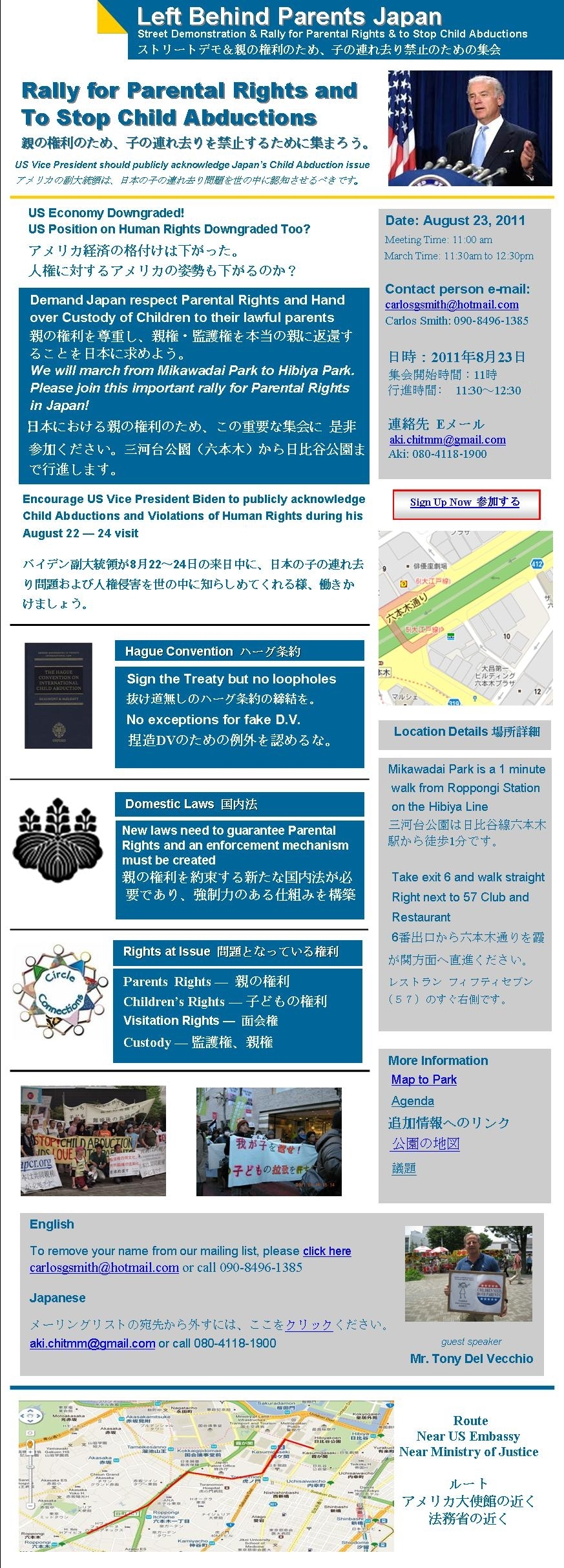
Flyer for the Rally

My new sign

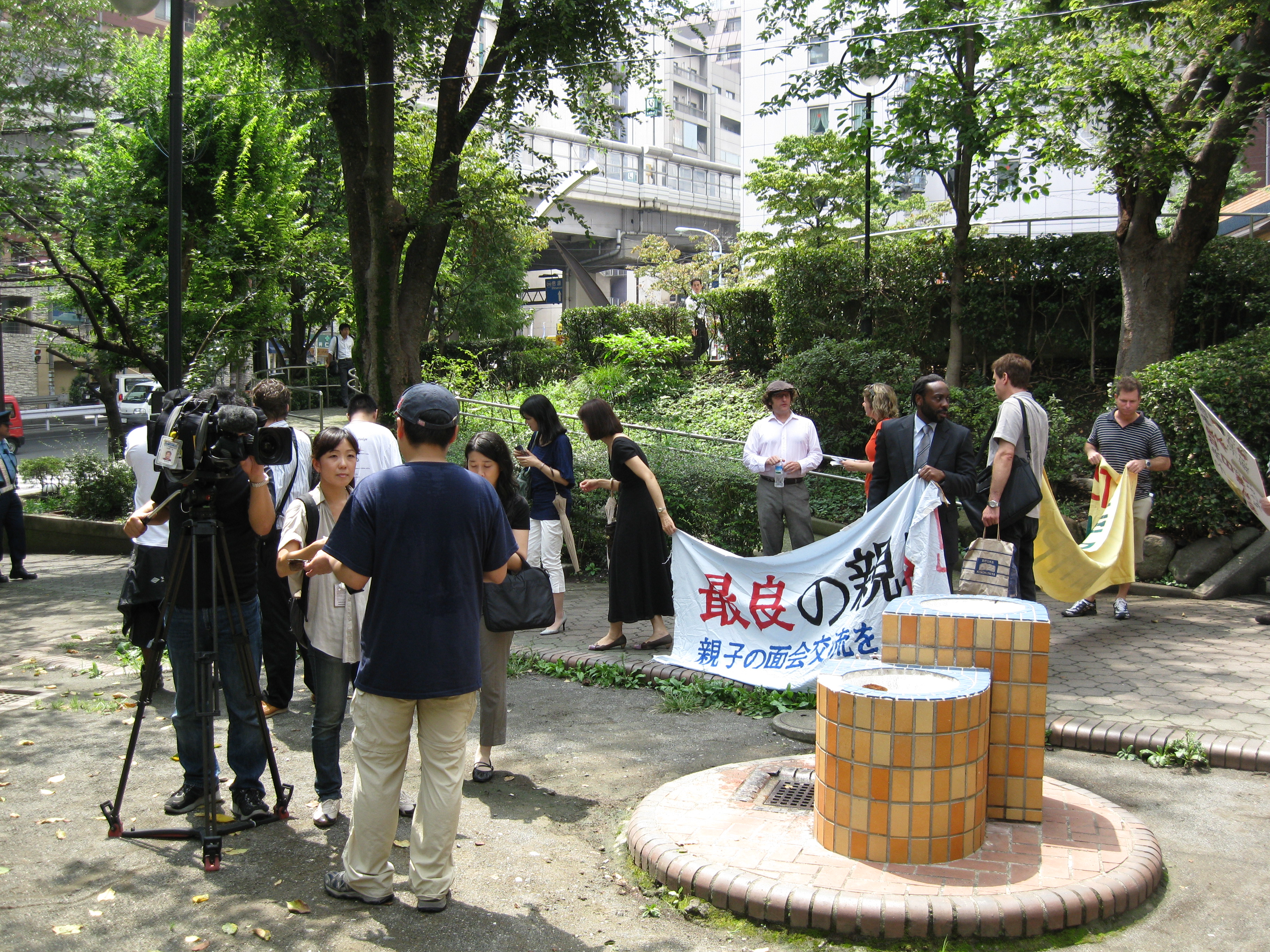
Talking to the Press

Boys in Blue Keeping a Watchful Eye 

Getting Ready

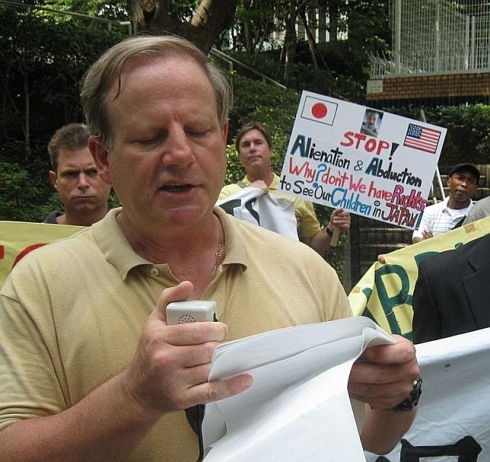
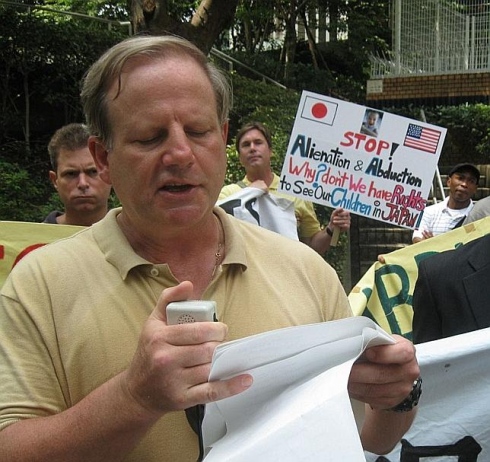
Giving My Speech

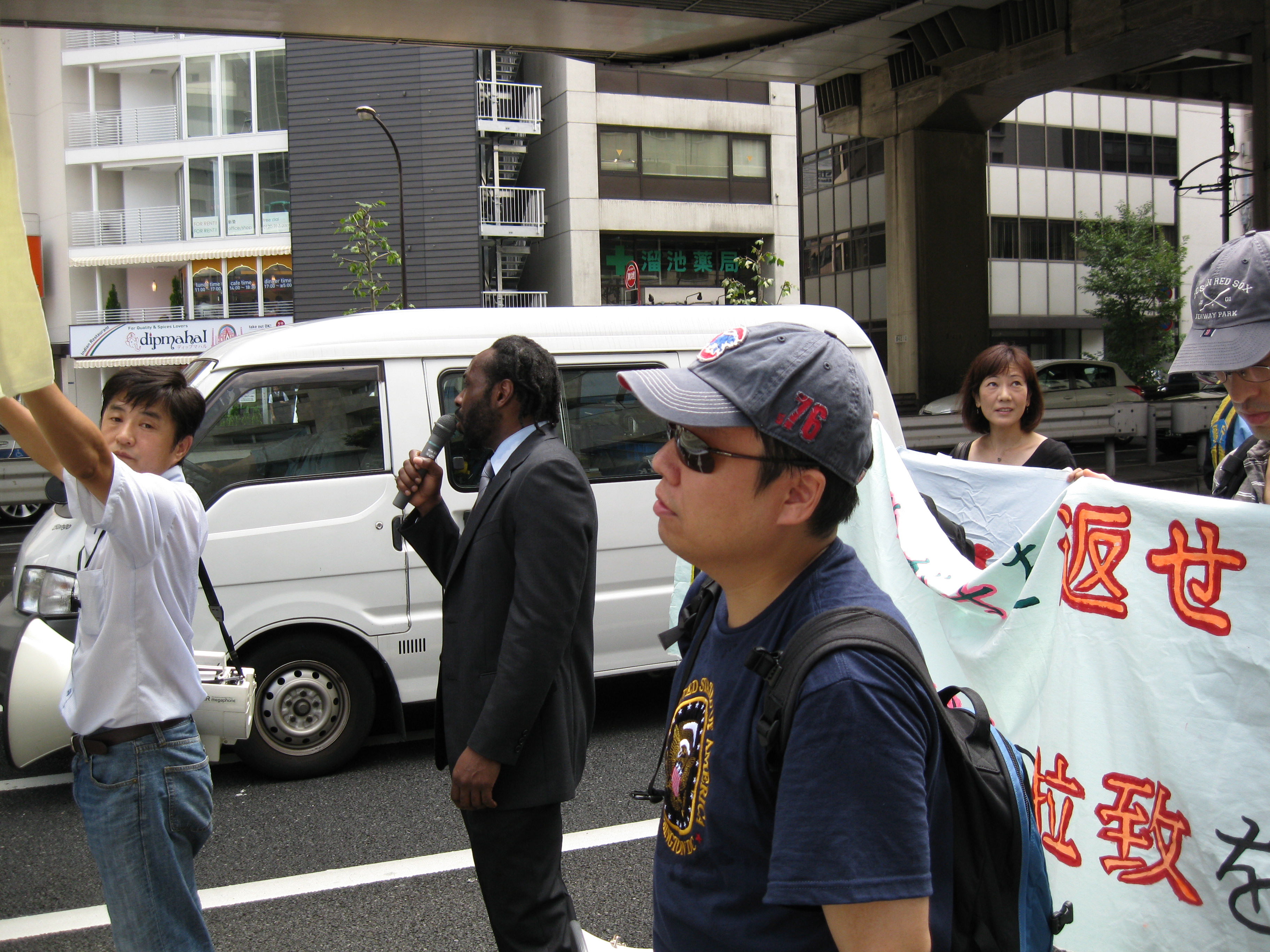
Marching Along Roppongi Dori

Kentaro, Carlos, and Aki

Approaching Kasumigaseki

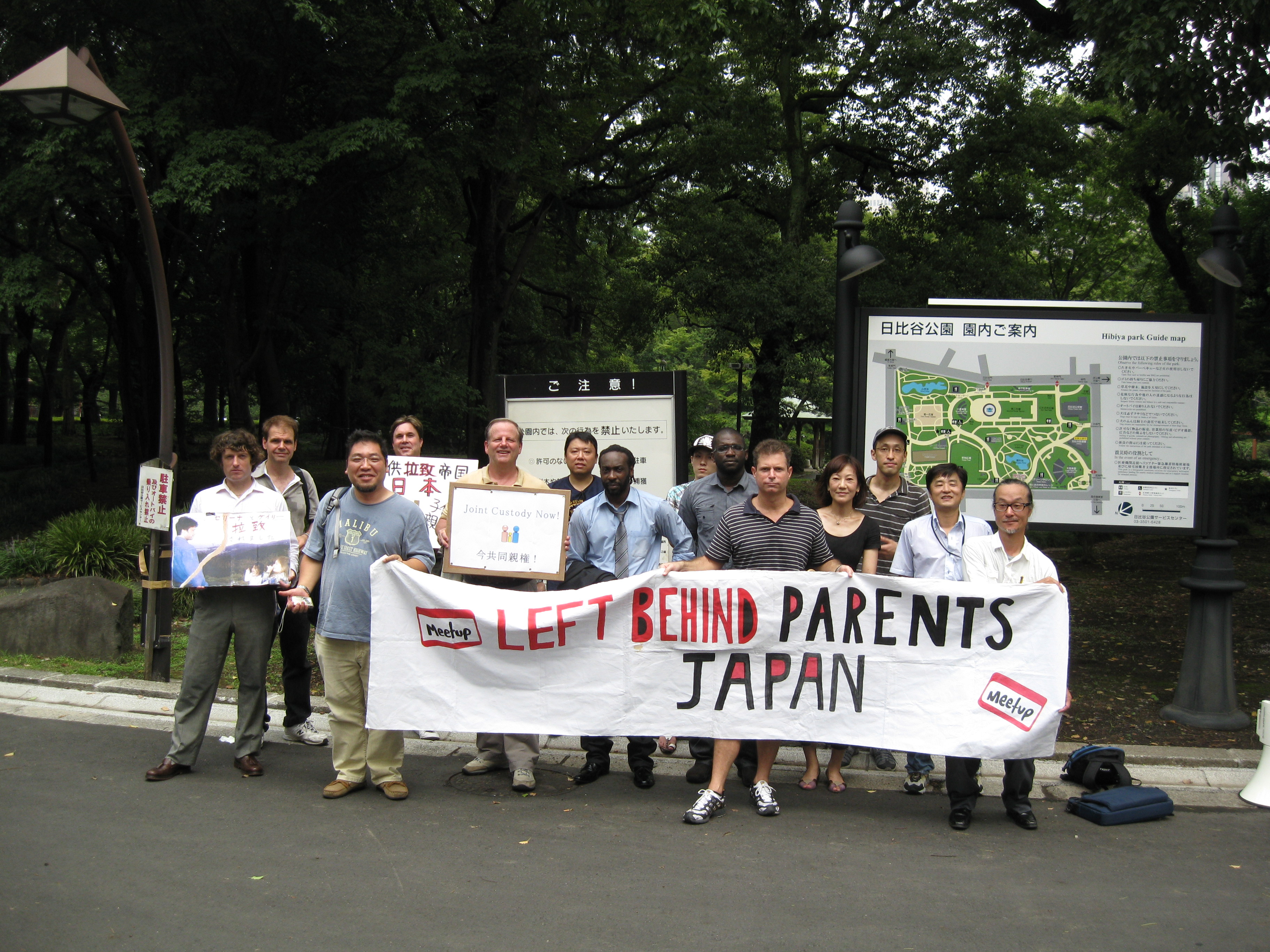
Working Together for Our Kids

******************************

******************************

Parents march in Tokyo to urge Biden to address child custody issue

TOKYO (Kyodo) — Around 20 Japanese and Japan-based foreign parents who are facing difficulties in gaining access to their children following failed international marriages marched in Tokyo on Tuesday in seeking help from visiting U.S. Vice President Joe Biden to push the Japanese government to address the issue of child custody.

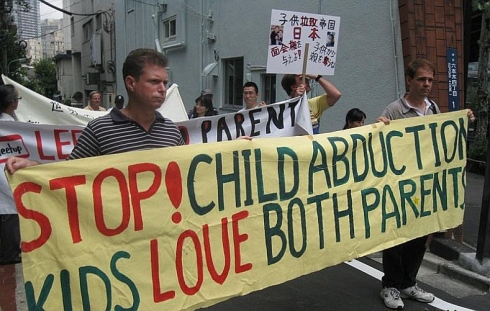
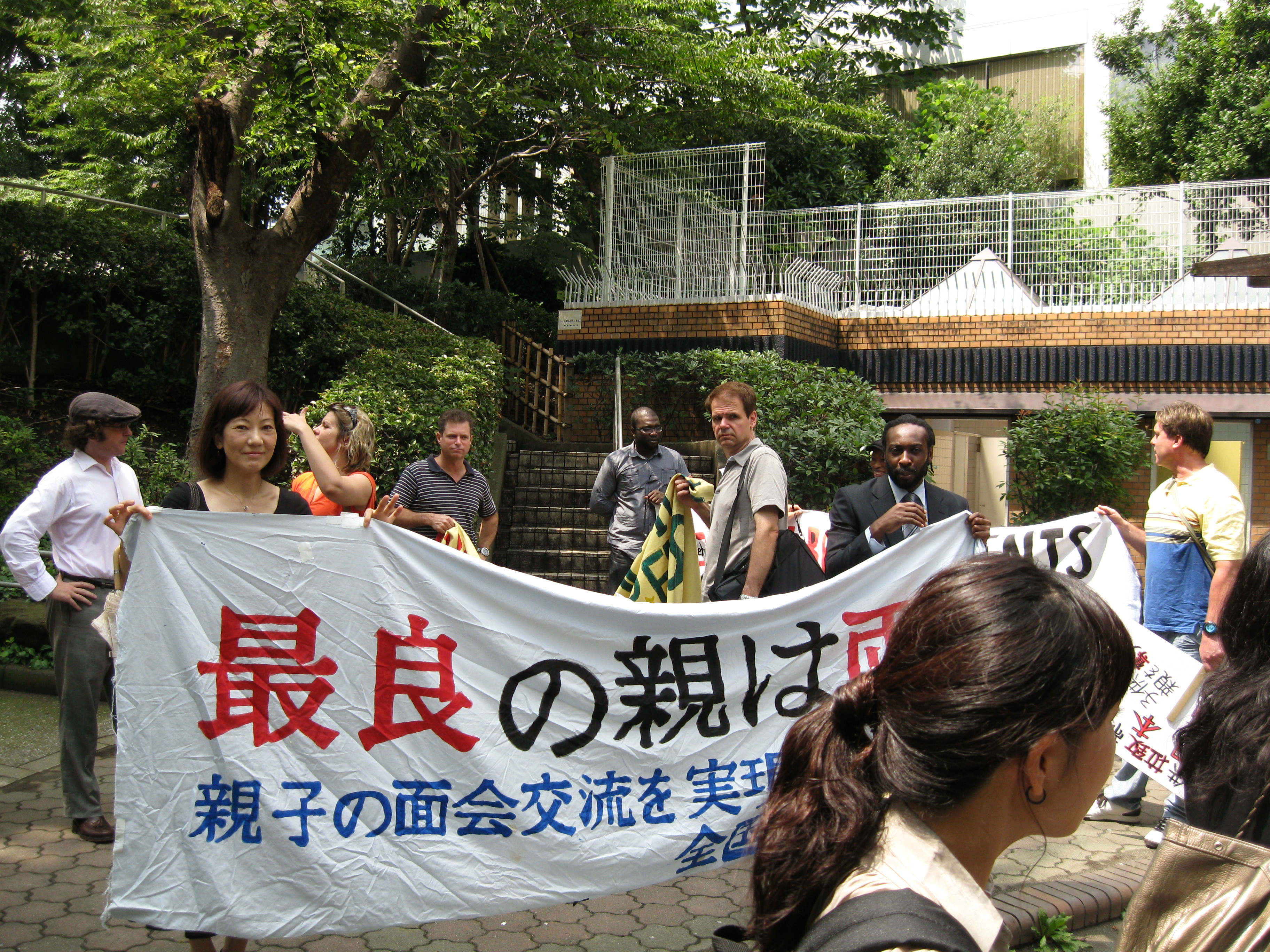
Holding banners reading “Stop child abduction” and “Why don’t we have rights to see our children in Japan?” the parents embarked on a march after holding a rally in a park in Tokyo’s Roppongi district.

At issue is child alienation and abduction by Japanese parents, as courts in Japan tend to award mothers sole custody after divorce and it is not unusual for children to stop seeing their fathers after their parents break up.

Japan recently launched preparations for joining the 1980 Hague Convention on the Civil Aspects of International Child Abduction, which sets procedures for settling cross-border child custody disputes.

Akihisa Hirata, co-organizer of a group called Left Behind Parents Japan, said in his message to Biden, “Please urge the Japanese government to address child abduction and also establish joint parenting and joint custody.”

A male participant at the rally said, “Japanese people cannot change their behavior without a strong foreign pressure. We call for changes in the laws to realize joint custody and joint parenting, which is widely adopted in other parts of the world.”

Anthony del Vecchio, a U.S. citizen who has not seen his daughter for seven years after divorcing his Japanese wife, said before the start of the protest march, “With respect to the protection of human rights in general and children’s rights in particular, Japan lags far behind the rest of the developed world.”

“Its system of sole custody upon divorce runs contrary to common sense, sound psychological research and international norms,” he said.

The U.S. State Department lists 123 active cases involving 173 children who have been abducted from the United States to Japan, but it is “not aware of a single case in which a child abducted to Japan has ever been returned to America,” he said.

Biden is on a three-day visit to Japan through Wednesday. The issue of child custody was not apparently discussed in his meeting with Japanese Prime Minister Naoto Kan earlier in the day.

(Mainichi Japan) August 24, 2011

http://mdn.mainichi.jp/mdnnews/news/20110824p2g00m0dm012000c.html

******************************

Tony’s Comment: Coverage of our march by Stars and Stripes. Thanks for the great report, Charlie!

******************************

Left-behind fathers urge U.S. to push Japan to sign Hague treaty

By CHARLIE REED

Stars and Stripes
Published: August 23, 2011
Two Canadian men, who asked not to be identified, hold a sign during a demonstration in Tokyo on Tuesday advocating dual custody rights for divorced parents in Japan. The man on the right said he wished to remain anonymous for fear his participation would anger his Japanese ex-wife and further complicate his custody battle.
******************************

TOKYO — Timing their message to coincide with Vice President Joe Biden’s visit to Japan, a small but vocal group of activists marched in the streets Tuesday, urging Japan to sign an international treaty on parental child abduction.

Most of the two dozen marchers were American and other foreign fathers who have been cut off from their half-Japanese children by mothers who refuse to share custody and are shielded from doing so by current Japanese law.

The group said the U.S. should urge Japan to follow through on its recent promise to sign the 1980 Hague Convention on Aspects of International Child Abduction — which would help prevent such custody problems from arising. The group also wants Japan to develop an interim plan to restore parental rights to hundreds of foreigners whose children have been spirited away in Japan.

“We would like Vice President Biden to address the issue publicly while he’s in Japan,” said American Tony Del Vecchio, a university professor in Tokyo who hasn’t seen his 13-year-old daughter in seven years.

The protest was held near the site of Biden’s meeting Tuesday with Japanese Prime Minister Naoto Kan. It was unclear whether the vice president saw the demonstrators or was aware of the protest.

The Hague treaty requires that a child be returned to his or her habitual residence should one parent flee to another country with that child to evade a custody dispute or dodge an existing court order. There are currently 173 American-Japanese children who have been abducted by a parent in Japan, according to U.S. State Department records.

But Japan has said it will not apply the treaty retroactively to existing parental child abduction cases, leaving parents like Del Vecchio with little hope.

Japan announced in May it would sign the Hague treaty, following decades of diplomatic requests from the U.S. and international community. The media, advocacy groups and even the U.S. Congress have added to the pressure in recent years.

Most outsiders viewed Japan’s acquiescence as a positive step for the country, where the tradition of sole-custody divorces prevails and courtsvirtually never grant custody to foreigners, especially men.

“I have no rights here,” said Tim Johnston, a California native who has lived in Japan for 14 years and has been unable to see his 7-year-old son since 2008.

Carrying a sign that read “Why don’t we have rights to see our children in Japan?” below a photograph of his son, Johnston was among the activists who marched Tuesday in central Tokyo.

It could take years before Japan signs the treaty because some domestic laws will need to be changed before implementation, Japanese officials have said. Some Japanese lawmakers are working on laws that would allow exemptions to the treaty in cases of domestic abuse, which Western officials are quick to point out already exist within the Hague.

U.S. officials and the left-behind parents have expressed concern that Japan — which for years has been reluctant to accede to the Hague treaty because of its divorce customs — may be trying to circumvent the process with that argument.

“We will not rest until we see the kinds of changes that are necessary and we will certainly not abide by loopholes or other steps that will, frankly, somehow negate or water down” the agreement, Kurt Campbell, assistant secretary of state for East Asia, said in July, according to the Agence France-Presse news agency.

Rep. Chris Smith, R-N.J., proposed legislation last month that would impose economic sanctions against Japan and other countries that demonstrate a “pattern of non-cooperation” in resolving child abduction cases. Smith tried to pass a similar law in 2010 but it died in the House, and it’s unclear whether the bill has any new support this year.

Del Vecchio, the professor, supports Smith’s efforts and said congressional action could become vital should Japan continue to waver on the issue.

“The question is, will Japan sign (the Hague treaty) in the right spirit?”

reedc@pstripes.osd.mil

******************************

Good morning. My name is Tony Del Vecchio, and I’m a left-behind parent. I’m here today to continue my fight to be a part of my daughter Lili’s life again. Due to the sole custody system currently in place in Japan I lost all of my parental rights when my ex-wife and I became divorced. My daughter turned 13 this year, and from what I understand she is now in junior high school. The last time I saw her she was six years old and in kindergarten. And she only lives an hour away from me by train. Imagine that.

Under Japan’s legal system, precisely half of all parents involved in a divorce action lose all legal rights with respect to their children once the divorce becomes final. These parental rights, known in Japanese as “shin ken,” simply cannot be granted legally under the Japanese system to more than one parent. It’s not a question of wrongdoing on anybody’s part, or even considerations about what is in the best interests of the child. It’s just the law, and it’s just the way things are done here. With respect to the protection of human rights in general, and children’s rights in particular, Japan lags far behind the rest of the developed world. Its system of sole custody upon divorce runs contrary to common sense, sound psychological research, and international norms. People ask me how this could continue to be so in the 21st Century when it is so patently wrong, but I honestly never know how to answer to that question. It’s just the way it’s always been, and always will be, unless dedicated and determined folks like us stand up and do something to try to change Japan’s way of doing “business as usual.”

Fortunately, there are signs that things are finally beginning to change here in Japan, albeit slowly and haltingly. One positive development is Japan’s recent acquiescence to signing the Hague Convention on the Civil Aspects of International Child Abduction. The Hague Convention is an international treaty that provides for the repatriation of children abducted by parents across international borders back to what is termed their “place of habitual residence,” i.e., their original home country. The treaty provides a legal framework whereby children wrongfully removed from the place where they grew up and were accustomed to living can be returned home where they belong. The intent of the treaty is a recognition that matters related to divorce and custody are best handled in the location where the marriage and upbringing of the children took place, and that signatory countries are fully capable of handling such matters under their respective systems of law. Its goal is to put an end to unilateral decisions by one parent to deprive both the children born of the marriage and the other parent of the love and companionship of one another.

Although the treaty has been in existence for 30 years now, Japan has yet to put its signature on the document. To date, 85 countries have ratified the Hague Convention. Japan is the only G-7 country not to have done so yet, and as a direct result of this neglect, the country has earned a global reputation as a safe haven for kidnappers. In fact, the US State Department is not aware of a single case in which a child abducted to Japan has ever been returned to America. Currently they list 123 active cases involving 173 children who have been abducted from the United States to Japan. For years, Japan has been claiming that it was “studying the issue,” and that it was “considering joining the convention,” and so on and so forth. Finally, thanks to the concerted efforts of diplomats and members of foreign ministries of various nations around the world, some progress in regard to Japanese ratification seems to be taking place.

The United Sates, I’m proud to say, has been one of the nations leading the way in persuading Japan to do the right thing to sign on to this important international treaty, and to work towards establishing a legal system that protects the rights of children and their parents. Since John V. Roos took over in his position as American Ambassador to Japan, he has worked tirelessly to bring about a resolution on behalf of children and parents wrongfully denied access to one another under Japan’s antiquated and inequitable system of law, and I am deeply grateful for his efforts and for that of the Department of State toward that end. American left-behind parents have been assured by our government, both privately and through public press statements and Congressional testimony by high-ranking officials in the State Department including Assistant Secretary of State Kurt Campbell and Special Advisor for Children’s Issues Ambassador Susan Jacobs,  that the joint issues of international parental child abduction and loss of access to one’s child upon domestic divorce here in Japan are being raised and vigorously pursued at every opportunity with officials in both Japan’s Ministry of Foreign Affairs and Ministry of Justice. Over the past year and a half Ambassador Roos has participated along with ambassadors and diplomats from a host of other nations in a putting forth a series of diplomatic initiatives, or “demarches,” to strongly urge Japan to get on board with the international consensus on children’s rights. The other individual nation participants include Australia, Canada, France, Italy, New Zealand, Spain, the United Kingdom, Belgium, Columbia, Hungary, and Germany, as well as the entire European Union collectively. The purpose of these initiatives has been to call upon Japan both to become a signatory to the Hague Convention and to work in earnest to reunite parents and children who have lost access to one another under Japan’s current system of divorce, a system in which children born of a marriage are in essence “awarded” to one parent over another, and in which the other parent loses all parental rights and typically all contact with his or her children just by being the unfortunate loser in Japan’s winner-take-all system of jurisprudence.

After the intense pressure over the past few years from the United States and the other nations I mentioned, Japan has finally capitulated and agreed to join the Hague Convention. This, as I said, is a very positive development for our cause, and should be welcomed by all, but it is necessary to maintain a high degree of skepticism about the intentions of the Japanese government and to exercise a sensible degree of caution going forward. There are a number of reasons why this is so.
First, in order to be in compliance with the Hague Convention, Japan will need to dramatically amend its current system of law by drafting domestic legislation that would permit it to apply the provisions of the Hague. In addition to actually drafting the legal language to comply with the Hague, Japan will have to grant powers to its courts to enforce those provisions, which powers at this point do not exist. Most troubling are reports in the Japanese media and elsewhere that Diet members working on the draft legislation are considering including a number of so-called “exceptions” to the Hague Convention which would essentially render the document meaningless from the perspective of compliance and enforcement. One of the main exceptions envisioned is one in which abducted children would not have to be returned to their home countries in cases where they would be exposed to a so-called “abusive environment.” Worryingly, only the say-so of the abducting Japanese parent would be required as evidence to determine that, in fact, an abusive environment exists at all in the child’s home country. It also ignores the fact that the Hague Convention already contains protections for children with respect to abuse under Article 13, and that foreign courts are just as competent as, if not more so than, Japanese courts in looking after the welfare of children in cases which come before them. To imply that only Japan is capable of looking after the welfare of children is arrogant in the extreme, and quite frankly insulting to the other advanced nations of the world with which Japan maintains friendly relations.

US Assistant Secretary of State for East Asian and Pacific Affairs Kurt Campbell spoke recently to the loopholes Japan has been discussing with respect to proposed Hague legislation. On July 28, he stated: “We will not rest until we see the kinds of changes that are necessary and we will certainly not abide by loopholes or other steps that will, frankly, somehow negate or water down the agreement.” In a later press conference he reiterated this point when he said: “We look to Japan to take the necessary steps to ensure its full compliance and commitment to the Hague Convention. We will continue to look for ways to ensure the Hague Convention, once ratified by Japan, becomes an effective tool to address these heart-wrenching cases. . .  This issue remains a top priority for the [State] Department, [and we] are prepared to use all political and legal means necessary to facilitate contact and access for parents and abducted children.”


The second problem with rejoicing over Japan’s agreement to eventually sign on to the Hague Convention is that the treaty is not retroactive, and only applies to cases which occur after the signatory state ratifies the convention. Thus, an active case that would normally fall under the purview of the Hague Convention would not be covered. This issue could be resolved by Japan if the country would voluntarily draft legislation that would consider active cases as automatically falling under the provisions of the Hague Convention, i.e., make the treaty in effect retroactive, thus applying both the letter and the spirit of the treaty. After all, as a developed nation and a long-time beneficiary of membership in the global community through its lucrative export trade, Japan should have signed this document long ago.
The final issue with respect to the Hague Convention concerns nearly all left-behind parents who are citizens of or foreign residents of Japan, which is simply this: the Hague Convention doesn’t apply to us in any event, as in most cases our children were not abducted across international borders, but were instead lost to us through the Japanese court system. Under the Japanese system of law, joint custody does not exist, nor are there any provisions for enforceable visitation. In my own case, despite repeated requests over a period of years I have been unable to see my own flesh and blood, or even to have my government obtain a simple Health and Welfare Visit with my child, by virtue of the fact that my daughter’s mother simply refuses to permit either circumstance to take place.

In summary, while it may be true that Japan’s eventual ratification of the Hague Convention could produce at some point in the future an environment that is more child-friendly and thus more conducive to the protection of fundamental human rights, quite frankly nobody currently affected by Japan’s unfair and outdated child custody laws will stand to benefit in any way from this treaty. Pushing for the treaty is still the right thing to do for future generations of children and parents, but that doesn’t help those of us whose toddlers are turning into adolescents, whose adolescents are turning into teenagers, and even in some cases, whose teenagers are turning into young adults.

Japan must act immediately to deal with current cases in which children and their parents have been unfairly separated from one another, whether due to international parental child abduction or through rulings in its domestic court system. Time is running out for parents who are today left behind, and we want to see our children before they have children of their own.

The American Vice President Joe Biden is in town to continue to offer to our Japanese friends support following the terrible events of March 11. Secretary of State Hillary Clinton was here as well earlier this year to offer American support and encouragement. I am both proud and grateful that my country is taking such an active role in helping our Pacific neighbor recover from the tragic earthquake and tsunami it experienced, not to mention the ongoing efforts to bring the Fukushima Nuclear Power Plant under control. America has, since March 11, shown its loyalty to and exhibited its compassion for our long-time ally Japan. I applaud my government for being a dependable and trustworthy friend to Japan in its time of need.

I respectfully request only one thing: while Vice President Biden is assisting Japan in recovering from this humanitarian crisis, if the opportunity presents itself, would he kindly remind our Japanese friends of the other innocent victims of devastating forces beyond their control, that is, our poor suffering children, separated from their loving parents due to Japan’s outlier status among the global community of nations with respect to children’s rights, and through the system of law it has created that treats children like pieces of property to be awarded to one or another parent in a divorce proceeding without regard to the serious and long-term consequences of such actions.

Thank you for your attention.